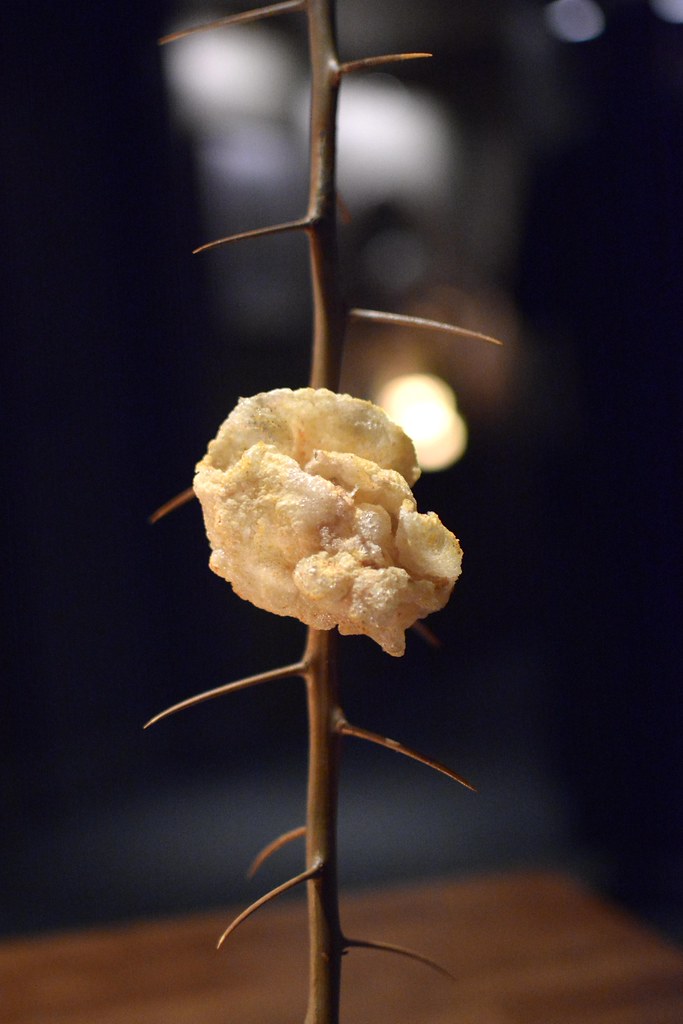
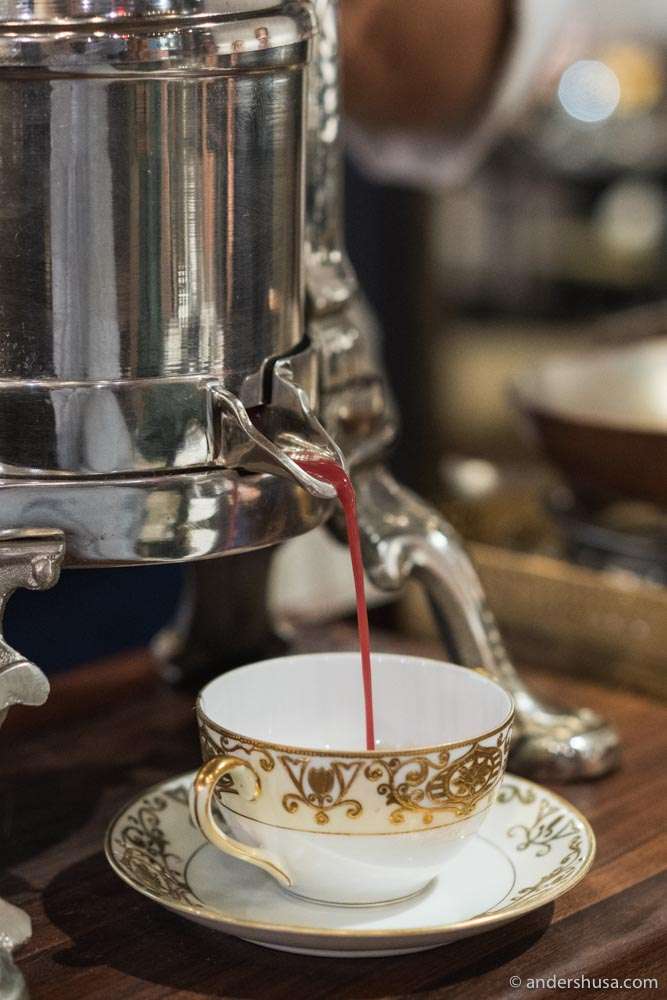
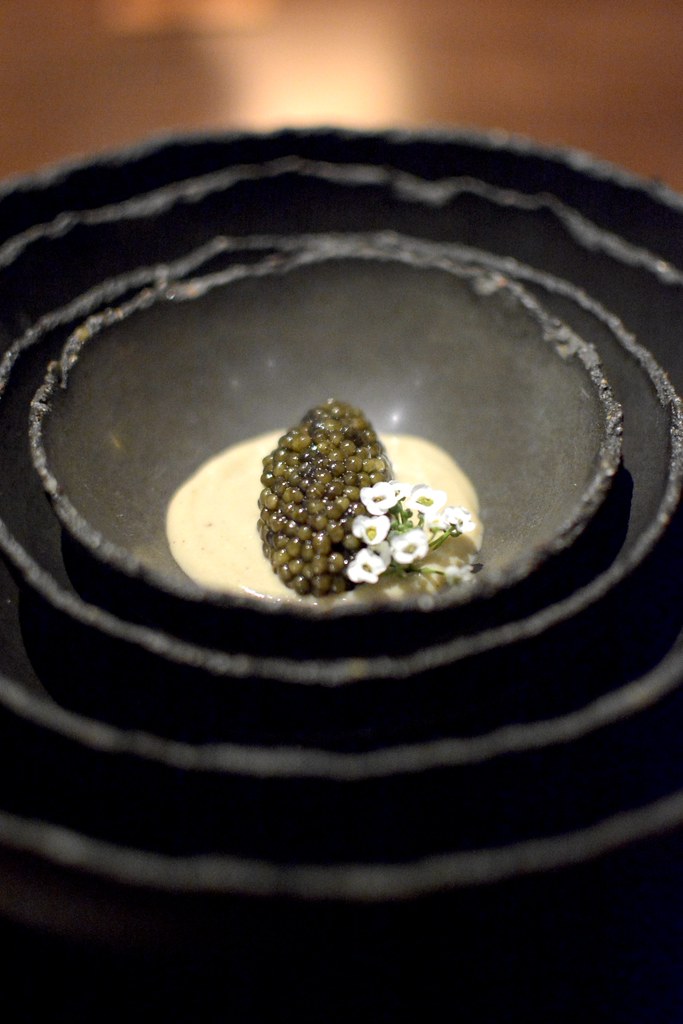
Puffed beef tendon served on a yuzu branch at Seline Duck sauce pouring from the antique press at Pasjoli Coffee and caviar in stacked broken-concrete bowls at Seline
beef tendon Β· Seline Β· via Gastronomy Blog

Collect recipes from the world's greatest chefs.

Unlocked at the table. Kept forever.

"The sauce dies after fifteen minutes. There's no way around it."

Dave Beran β€” on the pressed duck at Pasjoli

Elite chefs have a body of work. Immortalized here.

β„– 001 β€” Dave Beran

Three dishes per menu β€” chosen by the chef, told in the chef's words, signed by the chef.

01 Read the chef's three02 Book the night03 Dine04 Collect β€” recipes stamped into your book, forever
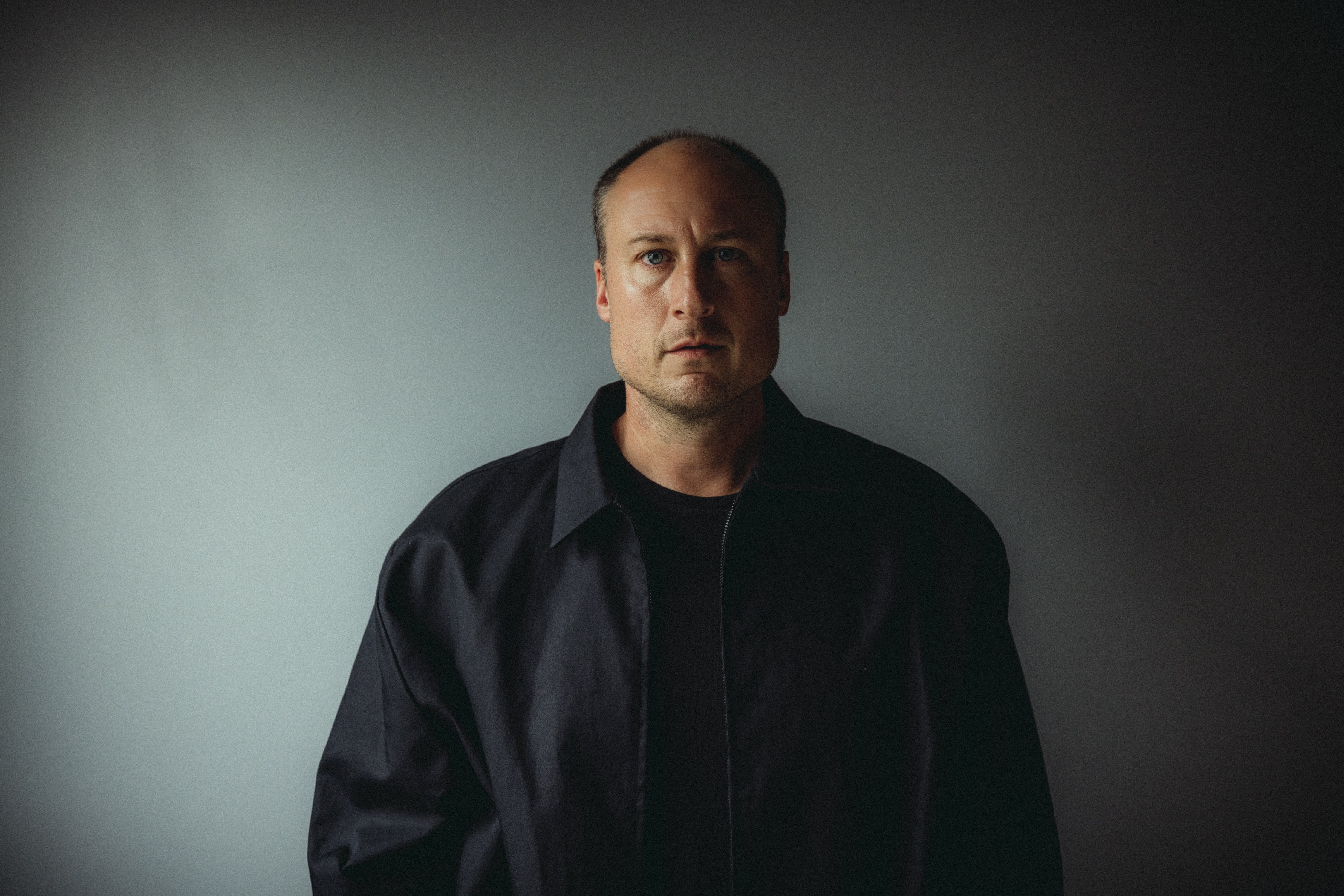
Portrait of chef Dave Beran via Fine Dining Lovers

Seline & Pasjoli Β· Main Street, Santa Monica

Dave Beran

He started at thirteen, washing dishes at a Michigan flea-market diner. In his twenties the ascent began: line cook at MK and Tru, Alinea's chef de cuisine, then Next's opening chef. That run would have filled the lifetime rΓ©sumΓ©s of three lesser men. … full bio β–Έ

Favorite utensilThe duck press β€” 1910. Nothing else makes that sauce.
Tuesday dinnerOne-pan roast chicken. The kids pick the sides.
IdolEscoffier β€” the duck still cites him by page number.
Hardest dishThe pressed duck. Fifteen minutes to serve the sauce.
Chef to watchβ€” to be collected in the interview
Summer 2026 All Menus β†’

"If I have to tell you the story, the dish wasn't good. If I can sprinkle in a story because something in that dish sparked your curiosity, it's a better dish. And on the flip side β€” if the dish is good enough, you're going to want that story."

β€” The LA Food Podcast, September 2025 Β· real quote, transcript

Puffed beef tendon served on a yuzu branch at Seline via Gastronomy Blog
← Dave Beran's three

Beef Tendon, Preserved Yuzu

at Selinea course within the $295 tasting

01

Why this dish

If the duck is theater and the caviar is memory, the tendon is time. It's usually the part everyone throws away. But not Dave. This tendon spends nine hours at a bare simmer until the white rubber goes glass-clear β€” then it's dried into a hard amber chip and puffed until it shatters. Most chefs wouldn't bother cooking it at all, much less morphing it into a bougie chicharron. And the hours on the stove are the quickest part: the yuzu dust on it takes a year to make. It comes from the same tree every year, fermented from one harvest to the next. He picks the yuzu himself, from a tree at the house of a friend he's known for twenty years:

"It seems so simple, right? It's puffed beef tendon with the seasoning salt on a stick. But what people don't realize is that there's twenty years of relationship in that one bite."
Dave Beran Β· On The Pass podcast, 2025 Β· real quote, transcript

You can even buy the recipe β€” at the chef's price; the duck runs $35 β€” 85% of it straight to the kitchen. But the entry in your book, dated and seated, has to be lived first.

02

What it takes

The seasoning is the part with a name attached:

"There's a friend I met because he was very high up at Apple β€” we were doing the first Apple book with Next, for Paris 1906 β€” and I've been friends with Glenn ever since. When I moved out here, he's like, hey, I have a yuzu tree. And every year, I drive to his house and I collect all of his yuzu and we chat."
Dave Beran Β· On The Pass podcast, 2025 Β· real quote, transcript

The fermented yuzu is ground into the dust that seasons the bite. The branches came cut to sixteen inches β€” Glenn's own work β€” and the kitchen held them until it knew what they were for, then built the service piece around them: the puffed tendon posed as "an exaggerated cartoon version of a yuzu blossom." The branch on your table is from the same harvest as the fruit you're tasting.

In spring it runs while the yuzu blossoms; October's autumn menu listed it as "hiding in the fallen leaves."

03

What it costs

A few dollars of tendon inside a $295 menu β€” the cheapest protein in the building, and the most expensive in hours. The inverse of the caviar course: here, the labor is the luxury.

Beef Tendon β€” the course P&Lβ‰ˆ
Its share of the seat β€” one course of sixteen+$18
Ingredients β€” tendon the butcher nearly gives away; salt, konbu. The yuzu itself is a giftβˆ’$2
The yuzu's year β€” gas to Glenn's tree, amortized over every serving; shelf space for a twelve-month ferment; someone checking the jars; the homebrewed vinegar it takes to butter Glenn up enough to let you pick his tree dryβˆ’$1
Labor β€” nine hours of braise, a day of drying, a minute in hot oilβˆ’$4
The room's share β€” rent, power, the service pieceβˆ’$3
The course P&L β€” the caviar's mirror: this one pays for the sturgeon+$8

breakeven = $295 Γ· sixteen courses β‰ˆ $18 Β· figures illustrative β€” our draft of the format, not Seline's books

04

What everyone gets wrong

"Tendon" frightens diners raised on fillets β€” texture is the last frontier of trust. Most flinch when the menu says tendon; cooks lean in for exactly the same reason.

"If someone just eats it and is like, oh, it's too chewy β€” like, really? There's a lot to it. There's a lot more."
Dave Beran Β· On The Pass podcast, 2025 Β· real quote, transcript

05

How to order it

You don't order it β€” it comes to you, somewhere mid-menu. Your job: book (Tue–Sat, 38 seats, it goes fast since the star), pace yourself through the early courses, and when it lands, put the phone down. Tell the pass you came for the tendon; you'll make a cook's night.

06

When to cook it at home

The braise is nearly all passive time β€” start Friday night, serve Saturday, with two inches of screaming oil in a cast iron standing in for the kitchen's fryer. Be honest about what stays behind: Glenn's yuzu, the branch, the room. What comes home is the transformation β€” the throwaway cut gone glass-clear, dried, and puffed on your own stove.

"It's a weekend dish for people who trust you. If someone you love claims they hate texture, this is how you fix that."

07

What you take home

His recipe β€” the nine-hour braise, exactly as Seline runs it

The home version β€” adapted from his method, tested on a real stove

Your cookbook entry β€” Seline, dated, permanent

As Seline runs it Β· serves 4 as a course Β· two days

2 lb beef tendon Β· kosher salt Β· konbu Β· rice vinegar Β· preserved yuzu Β· grapeseed oil

  1. Rinse the tendons, cover with cold water, salt like the sea, and bring to the barest simmer.
  2. Hold there eight to nine hours, topping up the water, until a knife slides through with no

still inside

  • the braise, hour by hour β€” what each stage smells like
  • drying & puffing β€” oil temps, and how you know it's wrong
  • pitfalls β€” the three ways it turns to glue
  • what done looks like, in his words
  • the home version β€” cast iron, tested
β€” or β€”
πŸ”’ Recipe locked β€” unlocks when you dine
Duck sauce pouring crimson from the antique press at Pasjoli via Anders Husa
← Dave Beran's three

Canard Γ  la Presse

at Pasjolitableside Β· $350 for two

01

Why this dish

The duck press was born in the early nineteenth century in Paris, shortly after France got rid of its kings. A shame about the timing, because the device was fit for them: three feet of glimmering silver and a crank, built for one job β€” extracting every last drop of marrow and blood from a single, perfectly roasted duck. In a world that forgoes ornate wonders in favor of ruthless efficiency, it is a relic from the past and an ode to both.

Don't care for the history β€” just here for flavor? Me too. The blood and marrow that bind the duck together are the same things that bind the dish together. The press gets them out fresh β€” running crimson from the spout β€” and into a pan, reduced carefully with red wine, cognac, duck jus, and butter into a sauce for exactly two people. It is blood sauce, and it is the most luxurious thing a duck can become.

"It's not a dish you see anywhere. You have to have this medieval contraption β€” but at the same time, there's not a better, newer way to do it."
Dave Beran Β· Flavors Unknown podcast, 2024 Β· real quote, transcript

Fortunately, a captain builds the sauce at your table and it hits your plate the moment it's ready β€” necessary, because you have fifteen minutes before the blood coagulates and turns grainy. The press survived 116 years so it could make you a sauce that lasts fifteen minutes.

So come for whatever you're into: theater, history, or flavor. This dish is the pinnacle of all three.

02

What it takes

The press is difficult to buy your way into β€” nobody makes them anymore; his is from 1910, hunted out of Ohio for thousands of dollars β€” and running one while managing a live sauce over open fire in front of high-rolling guests is a craft with almost nobody left to teach it.

"You're so in tune with it because you have to be touching it. You have to be feeling it and listening to it. And that's the kind of food that, when you cook it, it's an extension of you."
Dave Beran Β· Andrew Talks to Chefs, 2019 Β· real quote, transcript

The dish starts days before you sit down. The jus comes off the bones long ahead of service; the cherries were put up in their one good week and stretched across the year; the legs go into confit early so they can return as Escoffier's savouries β€” duck and preserved cherry baked under custard. Only the crown is cooked to order: hot, fast, rare, rested breast-up, carved at your elbow.

The sauce takes both bottles for a reason: the cognac burns off in the flame and leaves its perfume; the red wine stays, its acid holding the line against blood and marrow. Cold butter ties it together.

03

What it costs

Canard Γ  la Presse β€” the dish P&Lβ‰ˆ
The check β€” for two, tableside+$350
Ingredients β€” the duck, black truffle, wild mushrooms, cognac, red wine, butterβˆ’$95
Labor before you sit β€” legs into confit, jus from the bones, days of itβˆ’$70
The captain β€” the cart, the carve, the press, the flame: an hour at your table, and the section he isn't serving while the wheel turnsβˆ’$55
The room, the rent, a 116-year-old machine's upkeepβˆ’$75
The dish P&L β€” what Pasjoli keeps, before anything goes wrong+$55

menu price real Β· the split is illustrative β€” our draft of the format, not Pasjoli's books

Priced for kings. That's who it has always been for.

04

What everyone gets wrong

People see the $350 price tag and the press getting wheeled out and assume it's theater for theater's sake β€” sparklers from Costco on a bottle of Tito's at an overpriced club. It isn't. The press is there because the sauce can't exist without it: blood and marrow have to hit the pan fresh, and the slow way β€” hours simmering the carcass β€” extracts the gelatin and cooks out the blood and the freshness. The dish works the whole bird through it and leaves no ammunition behind: duck-leg confit, black truffle, wild mushrooms β€” and that sauce. It is flavor as much as it is theater. The kings are a bonus: La Tour d'Argent has numbered every duck off its press since 1890, and β„– 328 went to the future Edward VII.

"The sauce dies after fifteen minutes. There's no way around it."
Dave Beran Β· Escoffier podcast, 2024 Β· real quote
"Whenever we taste something, the conversation always comes back to β€” everything tastes better right after you cook it."
Dave Beran Β· CHEF Radio podcast, 2023 Β· real quote, transcript

He spent years pulling Pasjoli back to the neighborhood bistro it had drifted from. And then β€” a career of stars in his pocket β€” he couldn't resist one act of pure luxury with this dish. And Chef: boy, are we glad you couldn't.

05

How to order it

It's for two β€” choose your companion accordingly. Say pressed duck when you book so the kitchen counts you into the birds. Sit where you can see the press, treat it as the main event, and give the fifteen minutes your full attention. It will not repeat itself.

"The duck press is one of my all-time favorite courses… I can't wait to wheel carts around that dining room and press ducks."
Dave Beran Β· Andrew Talks to Chefs, 2019 β€” weeks before Pasjoli opened Β· real quote, transcript

06

When to cook it at home

The honest answer β€” and the reason the home-version chapter of this unlock exists:

"You don't. I don't. At home, duck means crisped legs and a pan sauce β€” that's the version in the unlock, and it's the one I actually eat."

07

What you take home

His recipe β€” the press method, exactly as Pasjoli has run it

The home version β€” what survives without a press, adapted from his method and tested

Your cookbook entry β€” you were in the room for the fifteen minutes, dated

The Pasjoli method Β· for two Β· one service

1 whole duck, crown roasted rare Β· its carcass Β· duck jus Β· cognac Β· red wine Β· cold butter

  1. Roast the duck hot and fast β€” the crown stays rare. Rest it breast-up.
  2. Carve the breasts tableside. Break the carcass, load the press, and begin to

still inside

  • the roast β€” hot, fast, rare, and why
  • the press, in sequence β€” what to crush, when
  • the sauce, minute by minute β€” all fifteen
  • how you know it's dying β€” and why you can't bring it back
  • the home version β€” crisped legs, pan sauce
β€” or β€”
πŸ”’ Recipe locked β€” unlocks when you dine
Coffee and caviar in stacked broken-concrete bowls at Seline via Gastronomy Blog
← Dave Beran's three

Coffee, Caviar

at Selinethe signature, within the $295 tasting

01

Why this dish

Coffee and caviar? If the pairing sounds absurd to you, Chef agrees β€” by his own admission, the two don't pair well at all. Why, then, do returning customers continually demand this course persist?

The secret to the marriage is a hazelnut bridge and a very particular, high-egg custard. Hazelnut pairs with each side on its own, so it can hold the two together; the custard β€” heavy on egg, light on sugar β€” keeps a coffee course from sliding into dessert. People have tried to back into the recipe algorithmically. They failed. Without the egg, the whole thing collapses.

The other secret ingredient, he'll tell you, is nostalgia. It's 1994, upstate New York: freezing at a gas station at 4 a.m., on the way to a hockey match with his dad. Dad drank his coffee black. Wanting to drink coffee like dad, he had to drown his French vanilla in cream and sugar to get it down at all. He still drinks it like that β€” fortunately for us, or inspiration never would have struck. One morning, Dunkin' in hand while tasting a supplier's Osetra, he caught the same two notes in both: hazelnut and brown butter.

"The dish isn't really about the coffee and caviar pairing. Coffee and caviar really don't pair that well together. It's about how this relationship came to be."
Dave Beran Β· Fine Dining Lovers Β· real quote, cited

Each Dialogue menu carried a single course forward, and three menus running the room chose this one β€” then it followed him to Seline. Michelin's "pure indulgence," when the star landed in June, was the inspectors catching up.

02

What it takes

Four components, none of them hard. The custard, held warm; hazelnuts toasted dark, then dressed in oil steeped with smoky lapsang tea; a vanilla mist that steeps for two days and is sprayed the moment before the dish lands; and twelve grams of Osetra that cost more than the rest of the course combined. It arrives on mother-of-pearl, because caviar and metal don't get along. There is nowhere to hide in any of it β€” and there is a clock: the custard goes out warm, the caviar cold, and the dish is only itself while the difference lasts.

03

What it costs

He opened the books β€” the way only a tasting menu lets you. A $295 seat isn't a dish with a price; it's a budget with courses: sixteen of them, so each course has to earn about $18. Here's how the signature does against that number.

Coffee, Caviar β€” the course P&Lβ‰ˆ
Its share of the seat β€” one course of sixteen+$18
Osetra, twelve gramsβˆ’$19
The rest of the plate β€” hazelnuts, lapsang oil, custard, the mistβˆ’$2
Its share of a dozen cooks and the roomβˆ’$4
The course P&L β€” a loss, on purposeβˆ’$7

breakeven = $295 Γ· sixteen courses β‰ˆ $18 Β· figures illustrative β€” our draft of the format, not Seline's books

The most expensive ninety seconds of the night, buried twelve courses deep β€” running in the red every time it leaves the pass.

"The caviar course loses money on its own. That's fine β€” a tasting menu is a cross-subsidy. The peas pay for the sturgeon. People hear $295 and think arrogance. It's arithmetic."

04

What everyone gets wrong

The mistake is expecting dessert. Coffee, vanilla, custard β€” every signal says the sweet course has landed, and the first taste plays along. Then the caviar snaps it back, and the spoon turns out to be a tug-of-war, not a dessert. He's had the logic down since the course's first life at Dialogue:

"Your perception goes sweet, but then when you have the caviar it pushes it back savory. It's kind of like french fries and a Wendy's Frosty."
Dave Beran Β· Resy, 2020 Β· real quote

05

How to order it

It arrives deep in the menu β€” roughly twelfth of sixteen β€” so save some attention. One spoon, two bites, hazelnut in both. Eat it the moment it lands β€” lukewarm is the only way to ruin this dish. If you need the photo, one frame.

06

When to cook it at home

Thirty minutes of work, one splurge ingredient, no special equipment. The anglaise holds; the assembly is a spoon.

"New Year's, anniversaries, any night that ends in champagne. Four components, none of them hard. The only skill is restraint."

07

What you take home

His recipe β€” the custard, the mist, exactly as the kitchen runs it

The home version β€” adapted from his method, tested on a real stove

Your cookbook entry β€” Seline, dated, permanent

As the kitchen runs it Β· one spoon per guest

Osetra, 12 g per serving Β· hazelnuts, toasted dark Β· cream Β· egg yolks Β· coffee, fresh-roasted

  1. Crush the beans and steep in warm cream β€” twenty minutes, no longer.
  2. Temper the yolks into the coffee cream over low heat, stirring until it coats a

still inside

  • the anglaise β€” temps to the degree
  • quantities β€” the restraint, measured out
  • pitfalls β€” where it tips from savory to dessert
  • what the spoon should look like
  • the home version β€” and the splurge math
β€” or β€”
πŸ”’ Recipe locked β€” unlocks when you dine

The register Β· the canon of chefs

Elite chefs have a body of work.
Immortalized here.

Signed entries are told in the chef's words. Unsigned entries are compiled from the public record β€” menus, interviews, cookbooks β€” every claim cited, and every page an open chair.

avec & The Publican Β· Chicago Β· β„– 002 β€” unsigned

Paul Kahan

For twenty-five years the best answer to "where should we eat in Chicago" has usually been one of his rooms. Blackbird ('97–'20) made his name; avec ('03) made the city eat at communal tables; The Publican ('08) made a beer hall a temple. In 2013 the James Beard Foundation named him Outstanding Chef in the country β€” a famous tie with David Chang. These days he's stepped back from daily service, which suits a catalog built from the record: the record is enormous.

The roomsBlackbird '97–'20 Β· avec '03 Β· The Publican '08 Β· One Off Hospitality
The hardwareJBF Outstanding Chef 2013 β€” tied with David Chang
The booksCheers to the Publican (2017) Β· Cooking for Good Times (2019)
avec todayDylan Patel, chef de cuisine β€” Highwood room opening 2026
His chairβ€” unsigned. The page is his whenever he wants it.
The catalog's two

This entry was compiled from the public record β€” every price checked against the live menu, every quote cited to its outlet. Nothing here is endorsed by the chef. Yet.

β„– 002 Β· unsigned Β· chef β€” our register, your red pen

← Paul Kahan Β· β„– 002

Chorizo-Stuffed Medjool Dates

at avec$22 β€” verified on the live menu, Aug 2026unsigned entry Β· compiled from the record

01

History & lineage

Fruit wrapped around pork is older than the restaurant that perfected it. Spain has stuffed dates in its tapas canon for centuries β€” the sweet-salt logic of Moorish fruit meeting Iberian pig β€” and the English named their version devils on horseback. The dish avec serves is that ancient argument with a Chicago accent: a medjool date stuffed with chorizo, wrapped in bacon, blistered in the wood oven, and drowned in piquillo pepper–tomato sauce.

The part nobody guesses: it wasn't on avec's 2003 opening menu, and it wasn't the chef's idea. Kahan's father-in-law, Robert Klonowski, made the dates as hors d'oeuvres for a staff holiday party at Kahan's home in avec's early days. Koren Grieveson β€” avec's opening chef β€” added the piquillo-tomato sauce that made them a dish. And a cook named Jorge "George" Ruiz has made them for more than twenty years since. Kahan's own accounting of the credit, per Block Club: his father-in-law and George first, "a little" to Koren, and less to himself. The most iconic modern small plate in Chicago is a family recipe that walked in the door.

02

The napkin math

$22 for dates sounds like arrogance until you do the arithmetic β€” napkin math by an ex–market maker, not One Off's books.

The dates β€” an order's P&Lβ‰ˆ
The order+$22
Ingredients β€” medjools (the expensive date, on purpose), house chorizo, bacon, piquillos for the sauceβˆ’$4 to 6
Hands β€” every date is stuffed, wrapped, and skewered by a person; sauce made in batches; two decades of one cook's muscle memoryβˆ’$3 to 4
The room's share β€” that hearth doesn't rent itself, and the communal table is the productβˆ’$5 to 6
What's left for the house β€” before the lights, the bussers, the slow Tuesdays+$7 to 9

figures illustrative β€” ranges, not claims Β· chef β€” our napkin, your red pen

The volume defense is stronger than any cost table: at "somewhere in the millions" sold across twenty-two years, this may be the most re-ordered $22 in the city. Nobody sells a million of anything that isn't priced fairly.

03

What the chef has said

Asked how many dates avec has sold since 2003, Kahan figures "somewhere in the millions."
Paul Kahan Β· Block Club Chicago, May 2025 Β· cited, from the record

The fuller story β€” the holiday party, the credit ledger, twenty-two years of one dish outliving trends β€” is reported in Block Club Chicago (2025) and Chicago Magazine's Iconic Eats (2021). What's missing from the record is the part only he can add:

what the dates mean to him now β€” and whether the third chair tempts him

04

How to order it

Walk in early or book β€” avec West Loop still runs its communal tables, and the dates are on dinner, lunch, and brunch menus. They arrive blistered; give the sauce bread it deserves.

05

What you take home β€” when he signs

His recipe β€” as avec runs it, hearth notes and all

The home version β€” a broiler standing in for the wood oven

Your book entry β€” avec, dated, permanent

← Paul Kahan Β· β„– 002

The Publican Chicken

at The Publican$46, serves two β€” verified on the live menu, Aug 2026unsigned entry Β· compiled from the record

01

History & lineage

Every food city has a roast chicken argument. This one descends from the churrasqueiras β€” the Portuguese charcoal-grill houses whose birds, split flat and licked by live fire, colonized Montreal's neighborhoods decades ago. Kahan has told the origin himself in Cheers to the Publican: a Portuguese grilled chicken in Montreal that wouldn't leave him alone, rebuilt for a Chicago beer hall. The Publican's version lands as a roasted half bird with summer sausage and frites cooked in beef fat β€” a plate that reads like the room it's served in: communal, unfussy, secretly exacting.

What this version does differently: it refuses the rotisserie-counter context. The same bird that costs a few dollars at a Portuguese lunch counter arrives here brined, fired, and flanked by house charcuterie β€” the beer hall elevating the workingman's chicken without gentrifying it off the plate.

02

The napkin math

$46 for chicken is the internet's favorite outrage β€” until you split it two ways and price the beef-fat frites. Napkin math by an ex–market maker, not One Off's books.

The chicken β€” a table's P&Lβ‰ˆ
The plate, serving two-plus+$46
Ingredients β€” a real bird (not commodity), summer sausage from the butcher program, potatoes, rendered beef fatβˆ’$10 to 13
Hands β€” brine, dry, fire, rest; frites run twice; a station that does nothing else all nightβˆ’$7 to 9
The room's share β€” Fulton Market rent on a hall built for exactly thisβˆ’$10 to 12
What's left for the house β€” $23 a head for the city's benchmark bird+$12 to 19

figures illustrative β€” ranges, not claims Β· chef β€” our napkin, your red pen

03

What the chef has said

The origin story β€” the Montreal churrasqueira bird that became the Publican's β€” is told in his own words in Cheers to the Publican (2017, IACP award winner), and the recipe is canonized there. We quote nothing we can't cite verbatim, so until his words are on this page, the chair stays open:

the Montreal night, in his telling β€” and what the bird became in Chicago

04

How to order it

It serves two or more and the kitchen paces it like a main event β€” order it first, drink something Belgian while you wait, and don't share the frites with anyone you wouldn't help move apartments.

05

What you take home β€” when he signs

His recipe β€” the brine, the fire, the frites, as the hall runs it

The home version β€” a hot oven and honesty about the beef fat

Your book entry β€” The Publican, dated, permanent

Sources

Why this exists Β· a letter to chefs

In defense of the $27 burger.

Dear Chef,

A decade ago I was at a fancy dinner with a managing partner from my old firm β€” we'll call him Patroclus. Four martinis in, as usually happens by the second course with this immensely successful, gregarious man, he told me about a Tuesday night he'd had dinner at Next: Paris 1906. He walked me through it course by course: a whole Rouen duck crushed tableside in a silver press, a bombe of rum and coffee cracked out of a chocolate shell to finish β€” dish after dish that blew his mind. By the time the five-hour meal ended at midnight, the party was full, hammered, and ready to stumble to the cab line. Before leaving, the waiter came over and asked if they wanted to tour the kitchen. Patroclus was euphoric. As he entered the room, Patroclus described being utterly starstruck in the presence of Grant Achatz and Dave Beran. There they were, plating dishes, directing the staff. Patroclus said to me: "For me, it was better than watching Michael Jordan and Scottie Pippen play in the finals."

That quote hit me hard then, and it's stayed with me for ten years. He's got a point.

So why don't those chefs earn like NBA players? Markets are, unfortunately, a bitch. With enough practice and the right pans, I could probably learn to roast your perfect chicken at home β€” or at least get close enough to eat something amazing. The dishes on this site would take me years, if I ever got there. But I'm not the leak; your peers are. A serious kitchen can reverse-engineer your breakthrough within a season β€” never quite yours, but close enough to sell. I will never beat Kyrie Irving off the dribble β€” and neither will the best kitchen on earth, no matter how much we practice. Your product can be copied out of the building; his can't.

For humanity, that's a feature β€” great cooking spreads. For the elite chef, it's a bug. And the bug has a consequence: there is no autopilot in a kitchen. A chef whose best ideas get copied the moment they land has to keep pushing the edge of what's possible, every menu, just to stay on top. There are chefs who ferment grains for months to pull a single spoonful of flavor out the other side. There are birria recipes 80 years old that only taste right after days in an underground pit β€” all the customer sees is juicy meat. Behind it are generations of story and weeks of flavor.

Too many people (my dad) look at a restaurant menu and scoff at how a burger could sell for $27. I know why it costs $27. I know you're out there fighting for your life with a $27 burger β€” the ingredients, the labor, the time, the inspections, the fires, the viruses. Not to mention the years it took to refine your burger: how many days to age the meat and how coarse to grind it, how thick the patty has to be to take a hard sear and still come out pink, how far to take the onions before caramel turns to water, how much lemon the aioli can hold before it stops tasting like garlic, how long to toast the brioche, and how fast it all has to reach the eater before the steam undoes the crunch.

A burger the rest of us can copy doesn't make the chef who created it any less of a superstar β€” just a lesser-paid one.

But there is one thing that can't be copied out of the building: the night itself. Hotels figured that out a long time ago. People drop $1,500 a night on 300 square feet over an aging South Beach strip without blinking, because a great room was never just square footage β€” it's a time, a place, a feeling. The sheets turned down and the chocolate waiting after a long day. The band playing your song on the walk to the bar. Nobody itemizes any of it. A night at a great table is the same purchase.

I want to help you tell your story, fill the hard tables β€” the years behind each dish laid bare, the thrill and the heroics of it β€” so your guests see your creations with the same eyes you do.

So that's the whole site: you name the three dishes that matter most in your rooms and tell their stories β€” free to read. Diners book your table, and you keep every dollar of it; when someone buys a recipe outright β€” at a price you set, as aggressively as the dish deserves β€” 85% of that goes to you too. Our take is a flat $5 per table booked through the story β€” the entire business model, for now. The morning after, your recipes land in their book β€” written the way you write for cooks, pitfalls and all β€” stamped, because they showed up.

β€” Alejandro Hasfura

A note about the author: I was new to Chicago in 2013, and lucksacked my way into Friends & Family dinners at Next until Dave Beran's departure in 2017. In those years I fell in love with food through his courses; through his stories. Thinking back, I can only remember so many dishes β€” but I kept the menus, and they work like old songs.

Next: Trio, late August 2014, was especially meaningful since I'd be covering my boss's large market-making book while he left for Thanksgiving. My coworker β€” now a lifelong friend β€” and I were talking strategy, how to impress my boss (and after a few glasses of wine: how we'd surely do it better than him!) when a savory ice cream sandwich stopped me cold. Olive oil ice cream between parmesan(!) wafers, if my memory holds. Served mid-meal. Fuuck me.

I'll never forget that sandwich and that adorably naive conversation. Then, the giddy sprint down the staircase Next shared with The Aviary, racing the next course back, hoping it wasn't red meat yet β€” red meat meant the end was near.

My early twenties were the same kind of meal: new to a big city and my career, on my own for the first time, everything arriving unannounced, and the red meat feeling a long way off. For four years those dinners and that life were one feeling β€” wonder at whatever was coming next. The menus bring it back whenever I want. I hope an unlocked recipe, in Chef's words, does the same for you.

The recipe book Β· a sample collector, three dinners in

Your book.

"My goal is to create things that you can't quantify in a picture. I want you to connect on such a level that you look at your friends when you talk about your meal and it moves you. It makes you feel a certain way that a photo won't."
Dave Beran Β· Flavors Unknown podcast, 2024 Β· real quote, transcript
3 eaten2 bought1 cooked at homeβ„– 001 founding collector
● Arriving β€” Seline, Thursday, table for tworecipes land Friday morning
Dave Beran Β· Seline Β· Summer '26

Coffee, Caviar

unlocks Friday
Dave Beran Β· Seline Β· Summer '26

Beef Tendon, Preserved Yuzu

unlocks Friday
Dave Beran Β· Pasjoli Β· standing

Canard Γ  la Presse

unlocks with a Pasjoli table
Eatenstamped at the table
Dave Beran Β· Seline

Peas, Fava Bean, Shio Koji

Seline Β· 12 Mayspring '26 Β· retired
Dave Beran Β· Seline

Black Cod, Mussel, Fennel

Seline Β· 18 Janwinter '25 Β· retired
Dave Beran Β· Seline

Lamb, Wild Greens, Burnt Strawberry

Seline Β· 18 Janwinter '25 Β· retired
Bought
Dave Beran Β· Seline Β· Winter '25

Brioche, Lamb Fat

Dave Beran Β· Seline Β· Spring '26

Succulent